


Magdalena López Frugoni
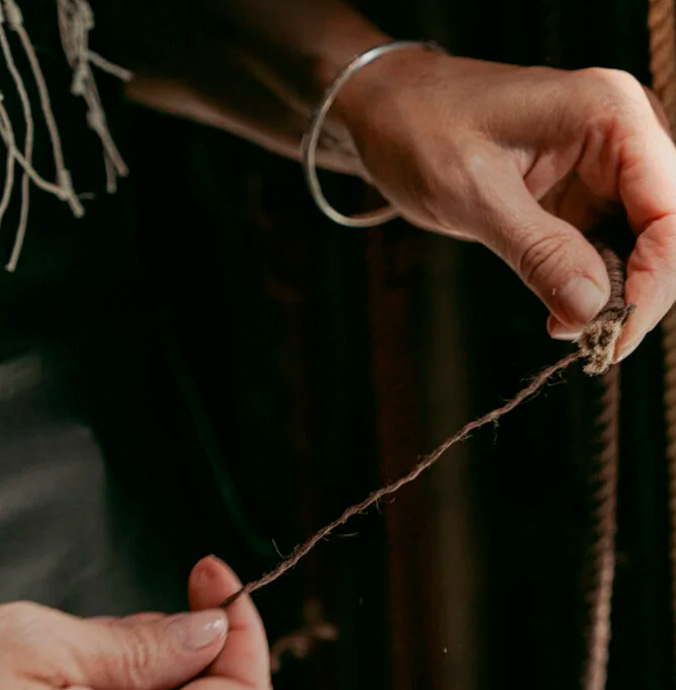
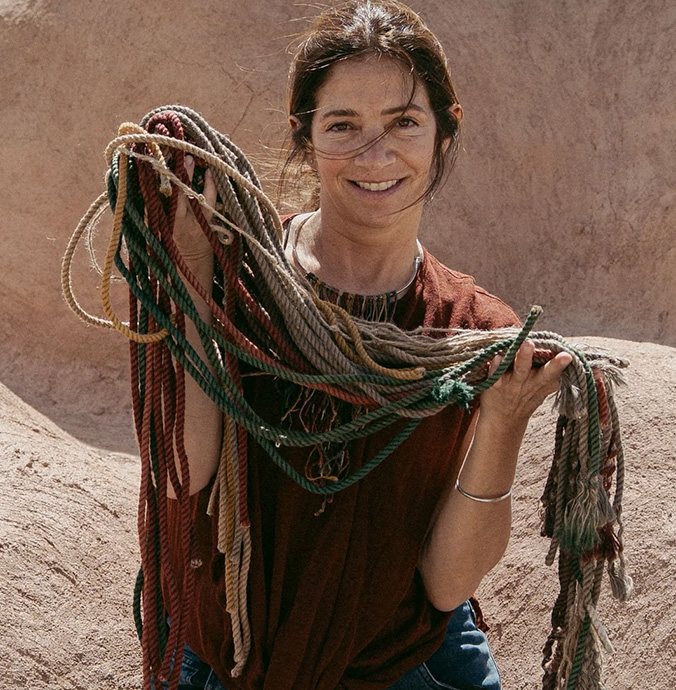
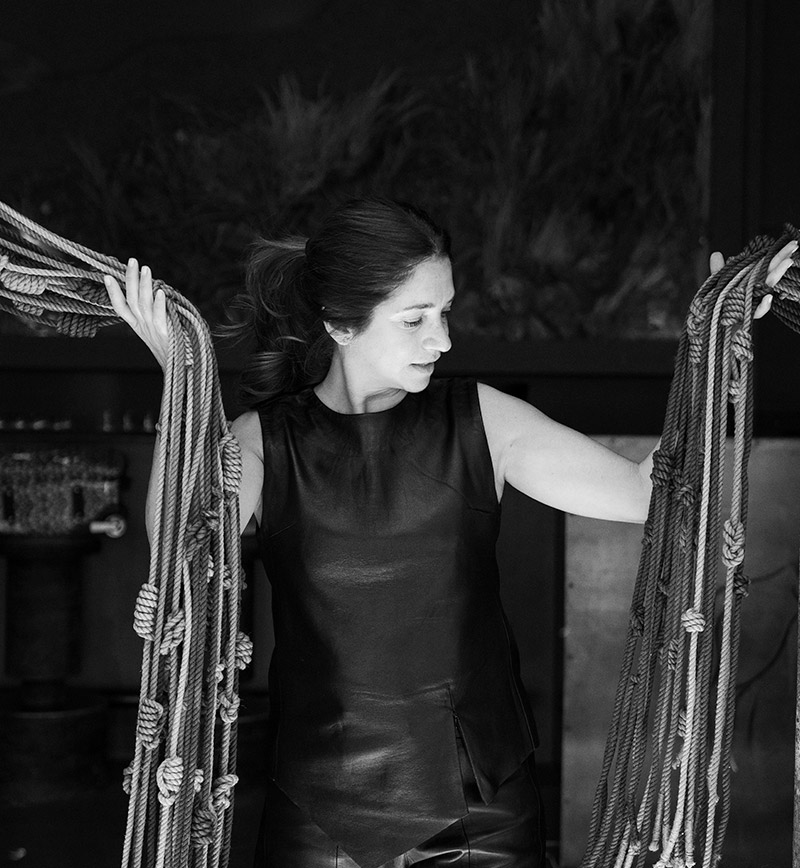
Magdalena López Frugoni is a contemporary artist who reinterprets the quipu, a system of communication and record-keeping used by Andean civilizations through knots.
Her practice spans both spatial interventions and collections of wearable pieces, using ancestral materials and techniques to create sensory and meaningful works.
Magdalena López Frugoni is a contemporary artist who reinterprets the quipu, a system of communication and record-keeping used by Andean civilizations through knots.
Her practice spans both spatial interventions and collections of wearable pieces, using ancestral materials and techniques to create sensory and meaningful works.
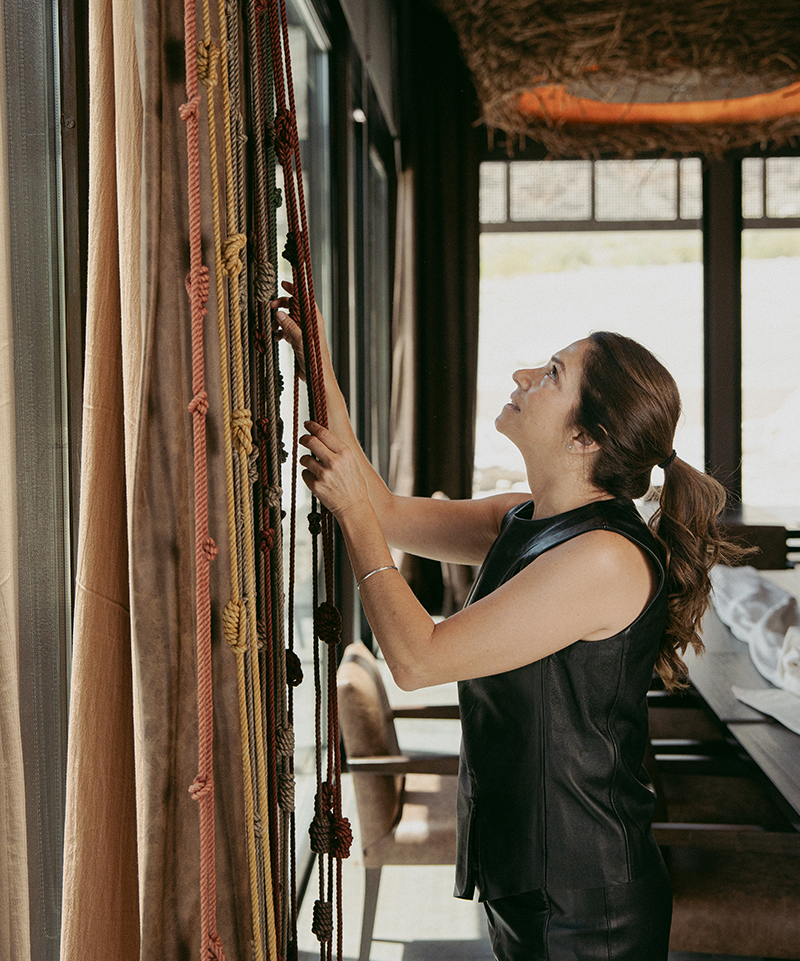
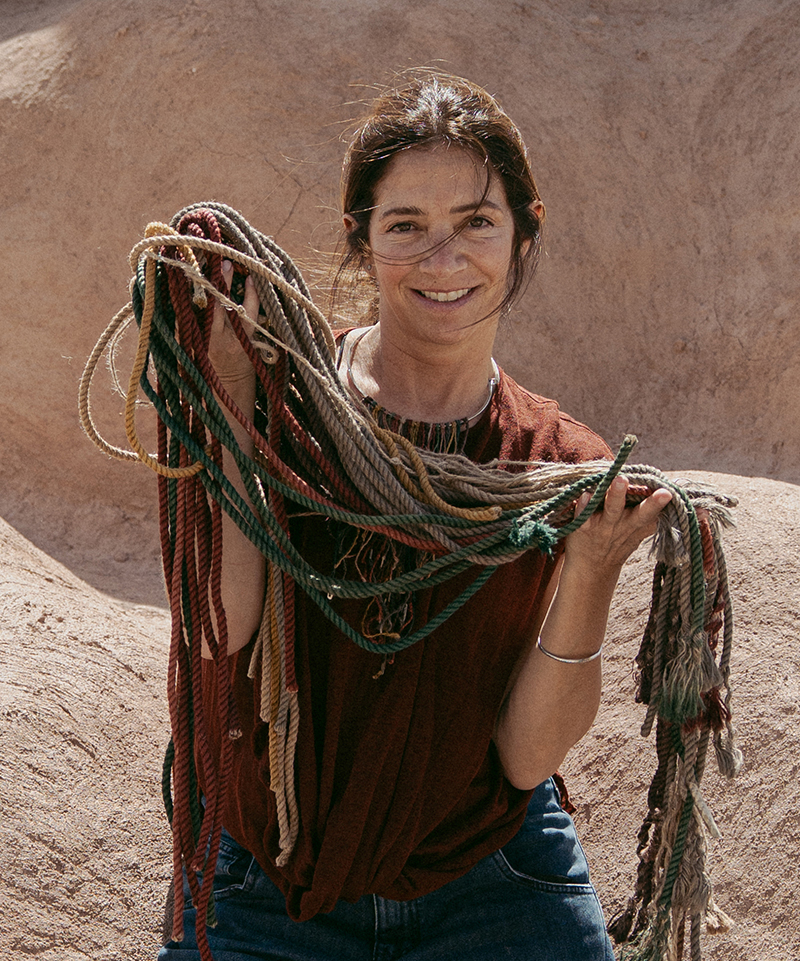
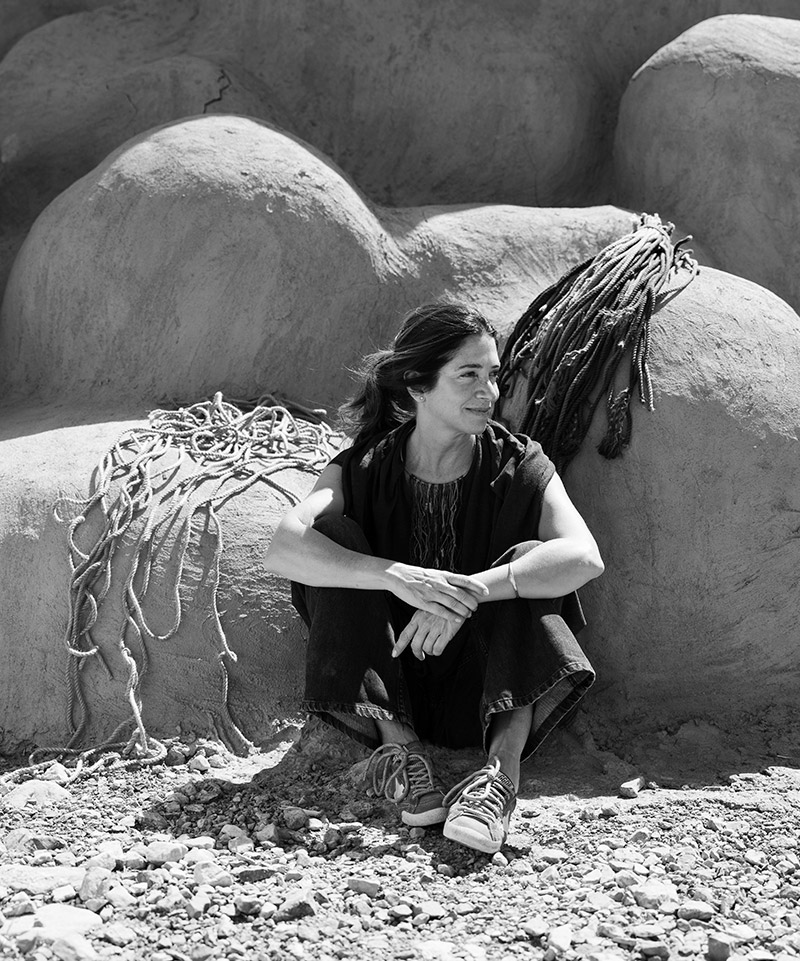
each piece is an expression of intentional, timeless artistry, carrying the memory of the Andes and the mastery of those who know how to transform fiber into art
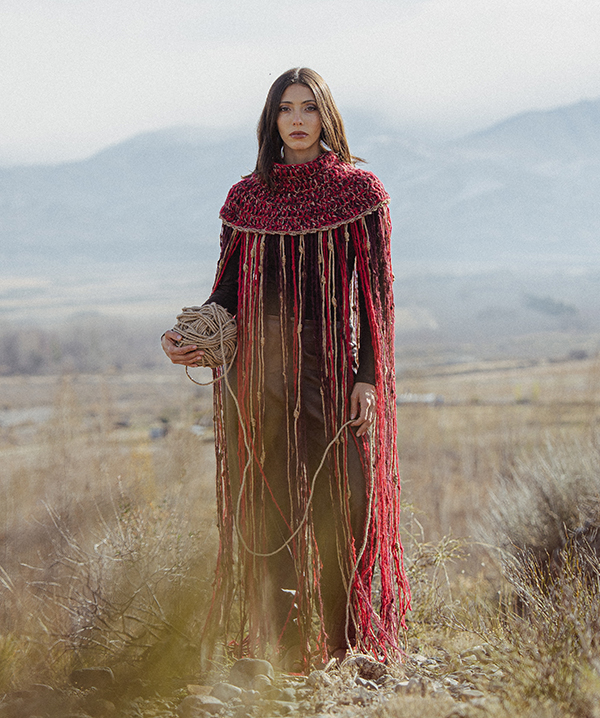


In the heights of the Andes, where the Quipu was the silent voice of a civilization, we find our source of inspiration
We embark on a journey of creation to bring this tactile code and ancestral heritage into contemporary life.
We approach this legacy with respect, reinterpreting it through a refining aesthetic lens. We honor its profound meaning while weaving past and present together, combining materials, scale, and handcraft techniques to revitalize the quipu as a cultural symbol. Each piece is an expression of intentional, timeless artistry, carrying the memory of the Andes and the mastery of those who know how to transform fiber into art.
We embark on a journey of creation to bring this tactile code and ancestral heritage into contemporary life.
We approach this legacy with respect, reinterpreting it through a refining aesthetic lens. We honor its profound meaning while weaving past and present together, combining materials, scale, and handcraft techniques to revitalize the quipu as a cultural symbol. Each piece is an expression of intentional, timeless artistry, carrying the memory of the Andes and the mastery of those who know how to transform fiber into art.
Quipu Lab, Andean art in knots
press
interior design
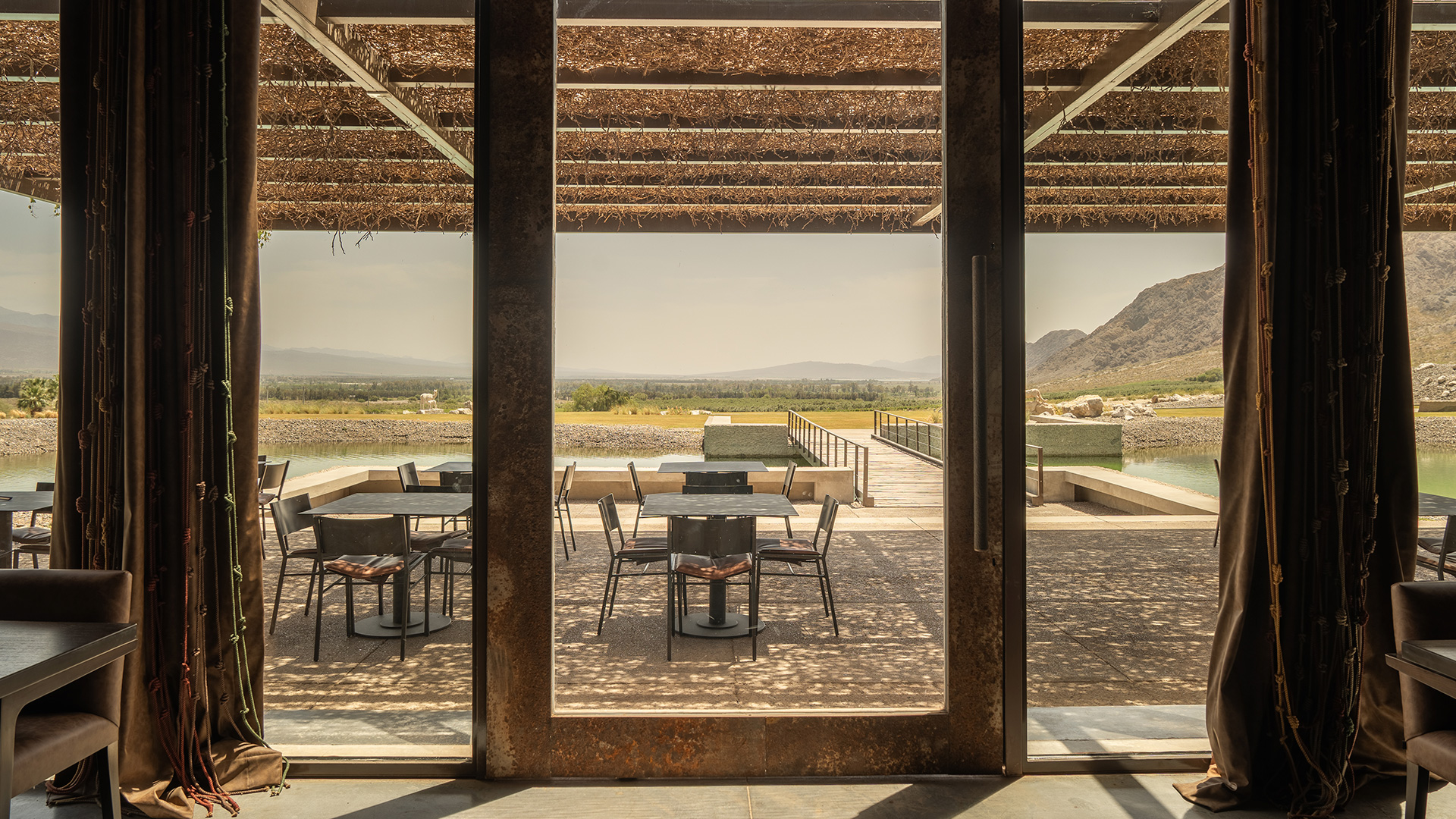
We envision the use of the quipu as a language adaptable to diverse contexts: hotels and restaurants, cultural spaces, corporate environments, and private residences.
We envision the use of the quipu as a language adaptable to diverse contexts: hotels and restaurants, cultural spaces, corporate environments, and private residences.
creative process

01 RESEARCH
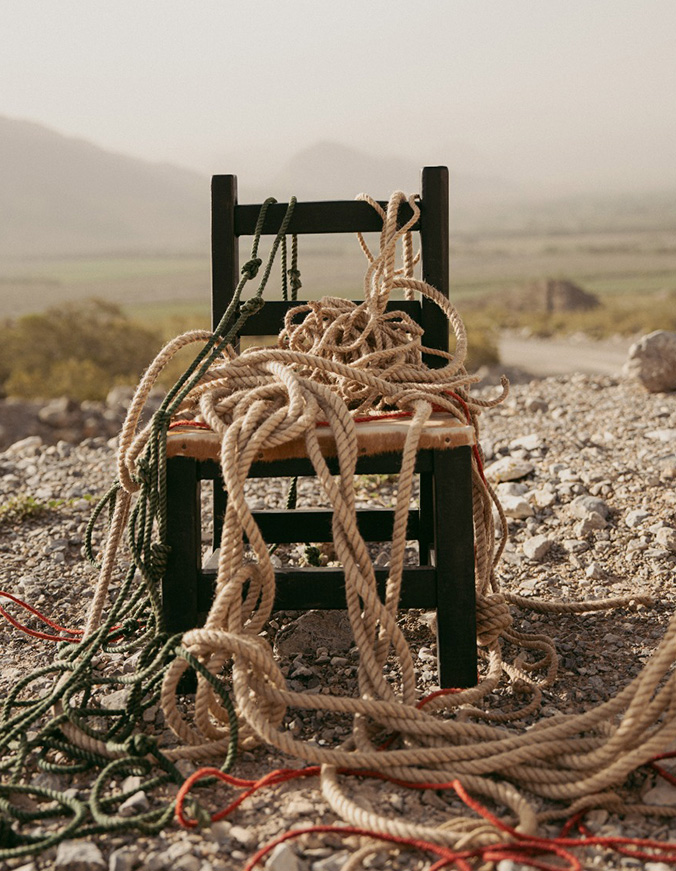
We study the context of the space, identifying meaningful narratives that connect with the identity of the place and those who inhabit it.
02 CONCEPTUALIZATION
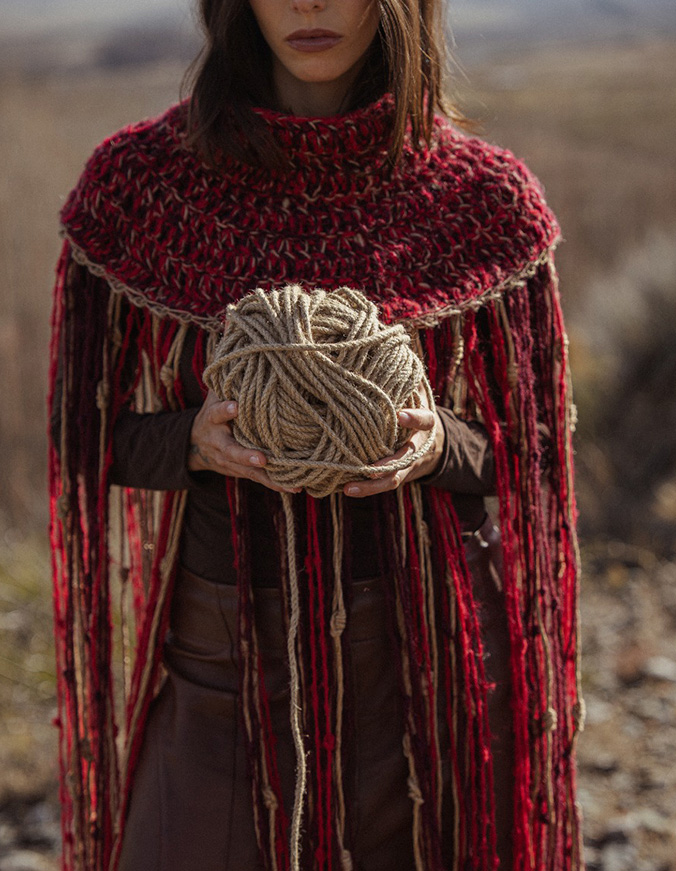
We define the visual and material language that will bring the story to life, interwoven with the clients' values and inspirations.
03 MATERIALIZATION
We create unique pieces tailored to the scale and functionality of each project, ensuring that every intervention is as practical as it is meaningful.
spatial interventions with large-scale quipus
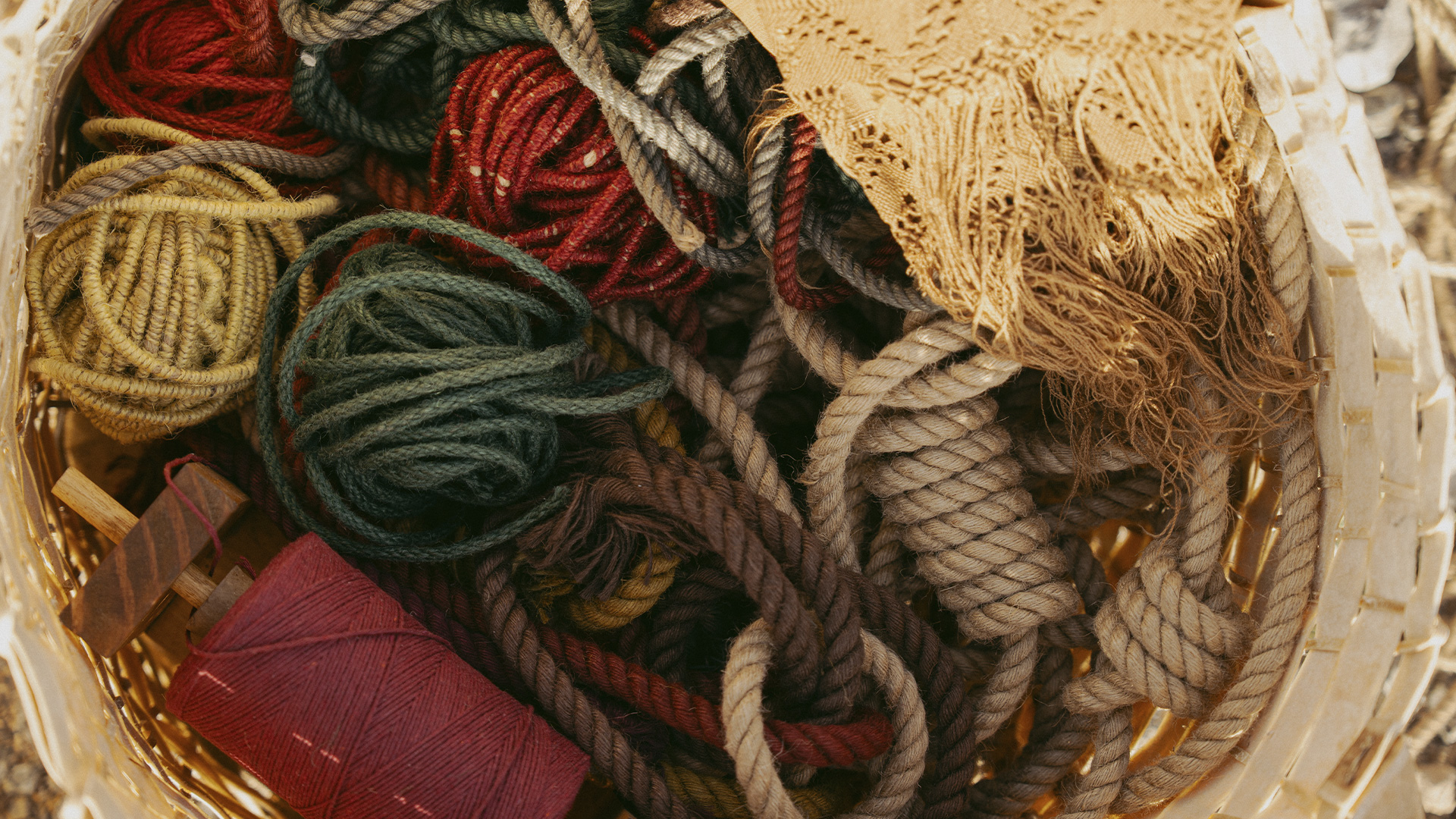
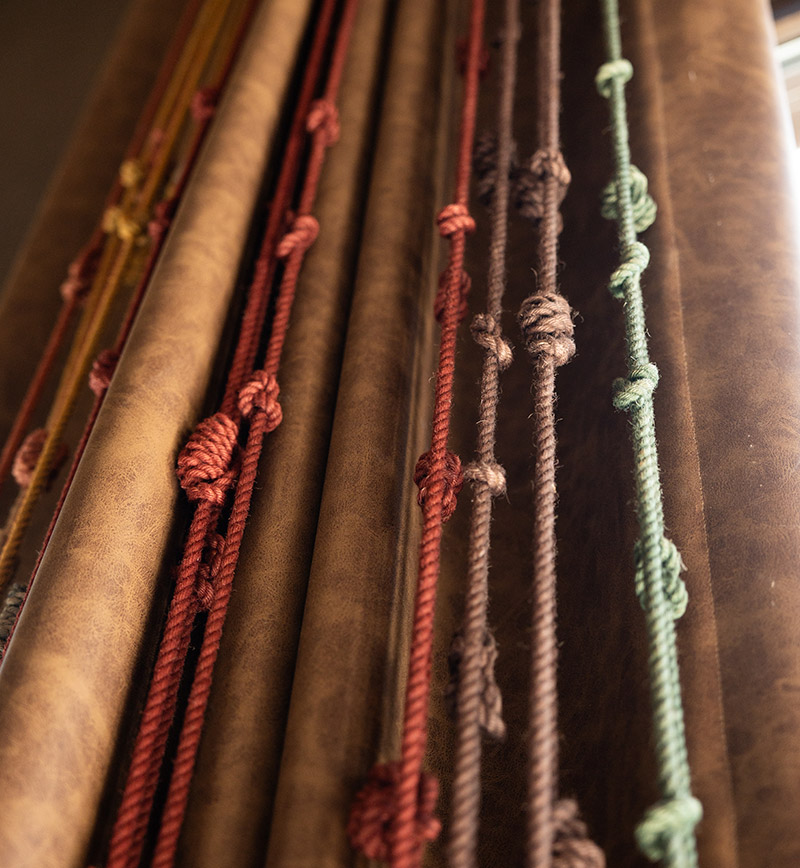
Large-format installations created with natural fibers, hand-dyed and knotted.
XUMEK INSTALLATION
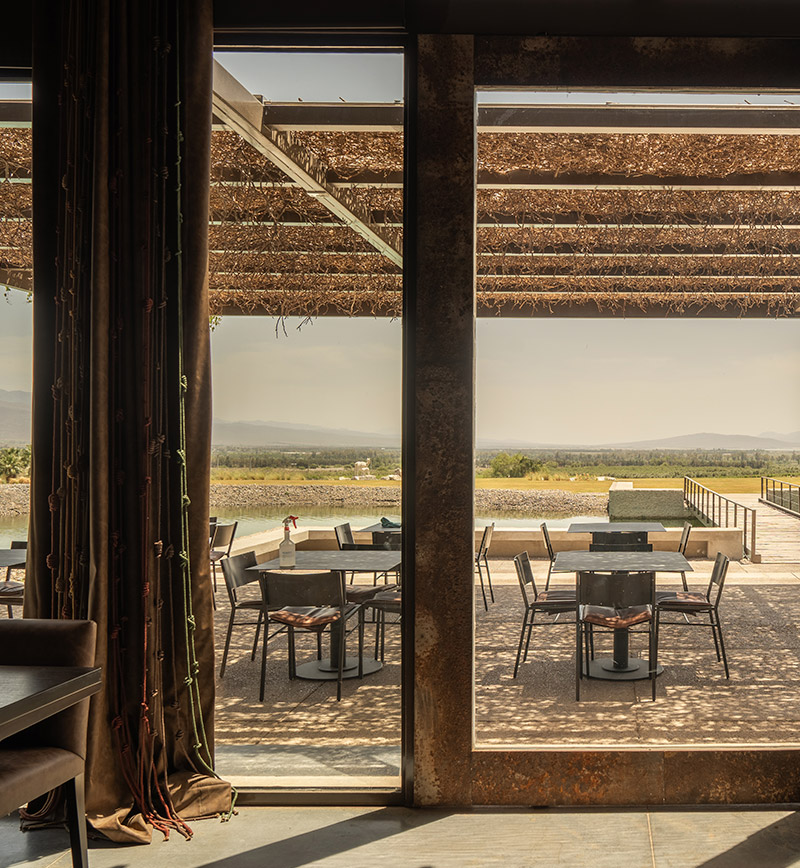
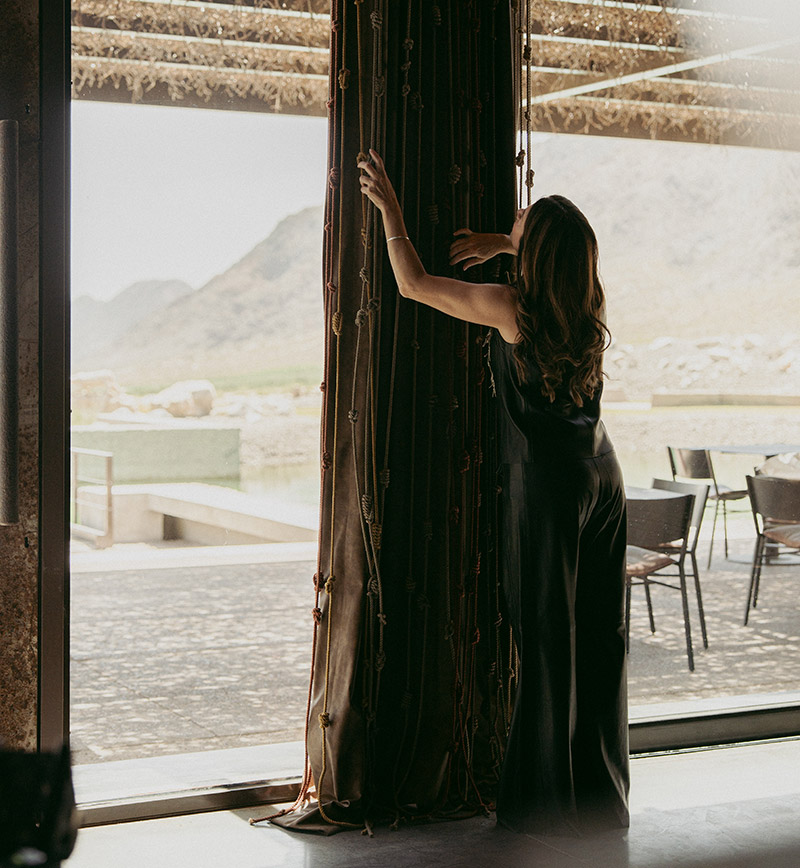
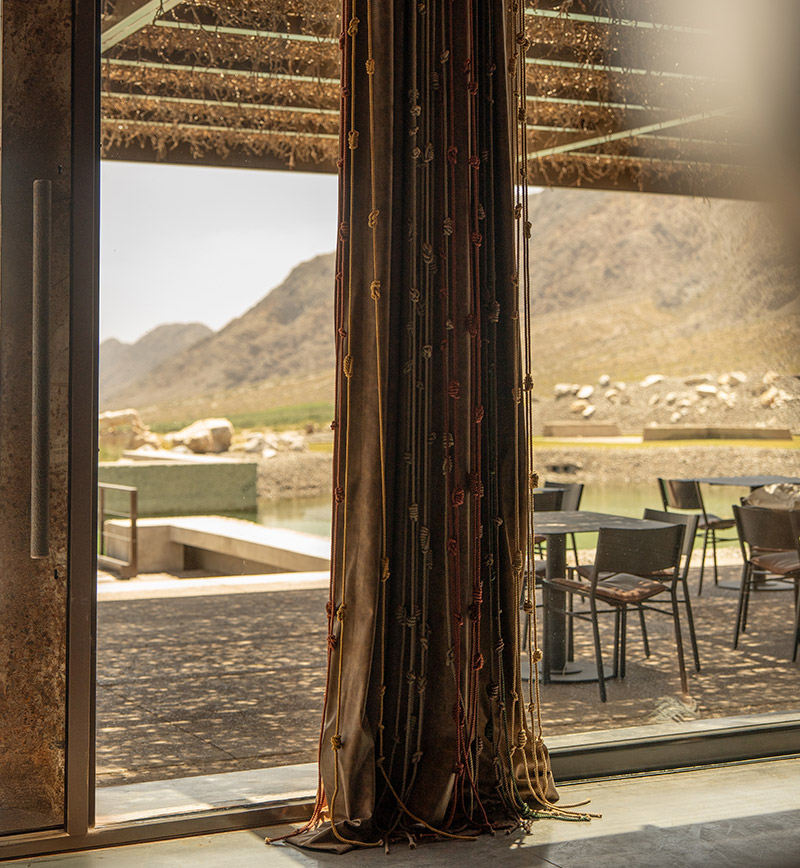
The work emerges from exploring the thematic connections between the Andean quipu and the world of wine, understanding both as systems that preserve memory, tell stories, and require technical precision and human creativity.
The aim was to integrate the philosophy, values, and identity of a winery with the symbolic power of the quipu, generating a visual piece that unfolds as narrative and sensory experience, linking tradition and contemporaneity.
The installation establishes three lines of reading: creativity and complexity, where the knots reflect the intricate winemaking process that draws on natural resources; communication and memory, evoking wine’s capacity to convey tradition and culture; and the figure of the guide, where the role of the winemaker echoes that of the ancient quipucamayoc as keepers of knowledge.
DESIGN CE HOTEL
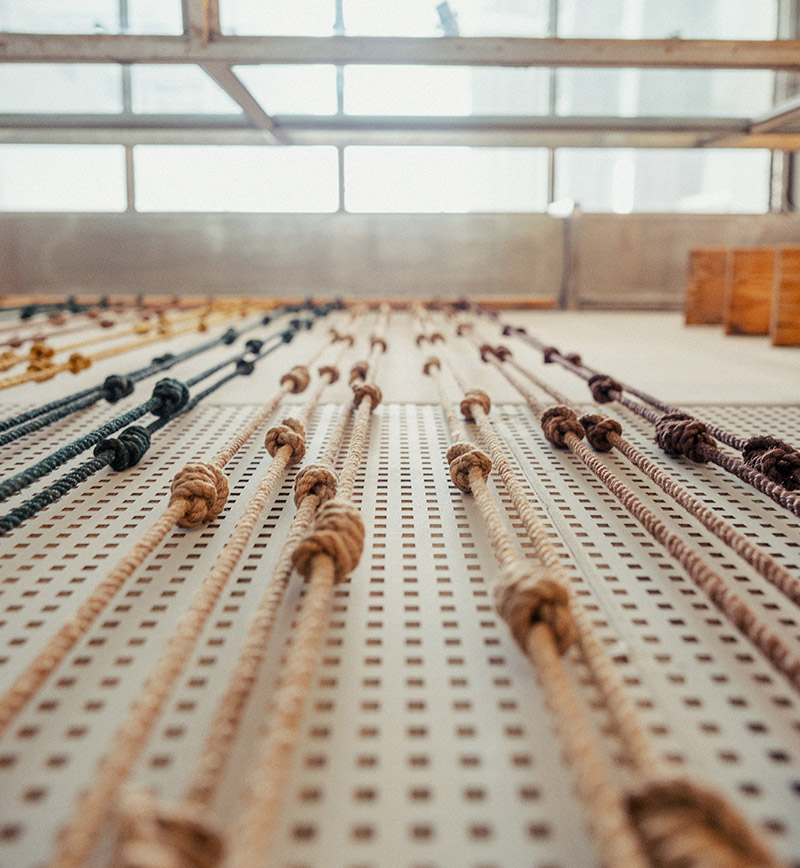
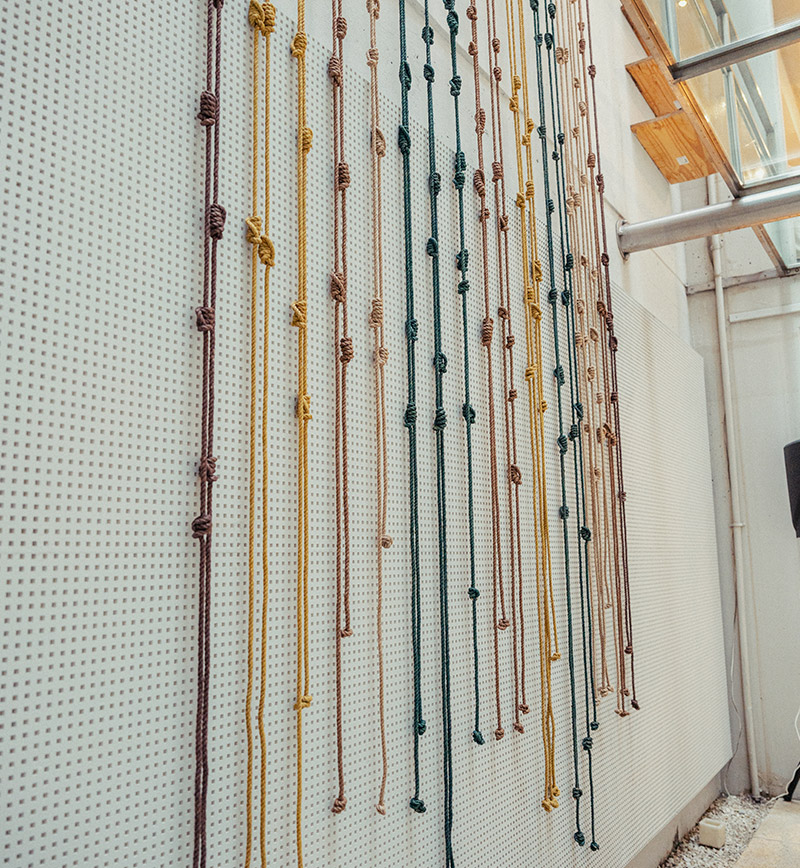
This descending ensemble transforms the space into a vertical experience.
The quipus emerge from a fissure in the upper level and cross through the different planes, visually and symbolically linking the main floor with the basement.
The reflection on the glazed floor multiplies the perception and creates an ambiguous illusion: what appears to be duplicated is, in fact, continuity. The space expands downward and reveals itself in depth.
The architecture unfolds in layers — surface, reflection, void — and the path stops being linear to become contemplative.
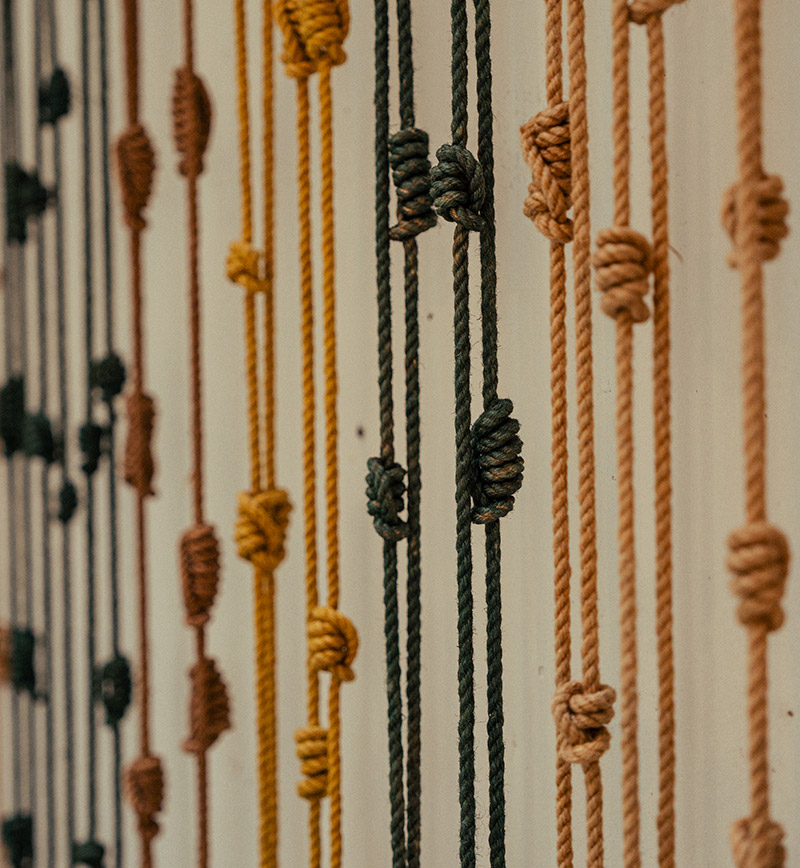
The colors accompany this reading: yellow as energy and inner light; green as a vital link with nature; brown as root and ancestral memory.
tapestries and screens
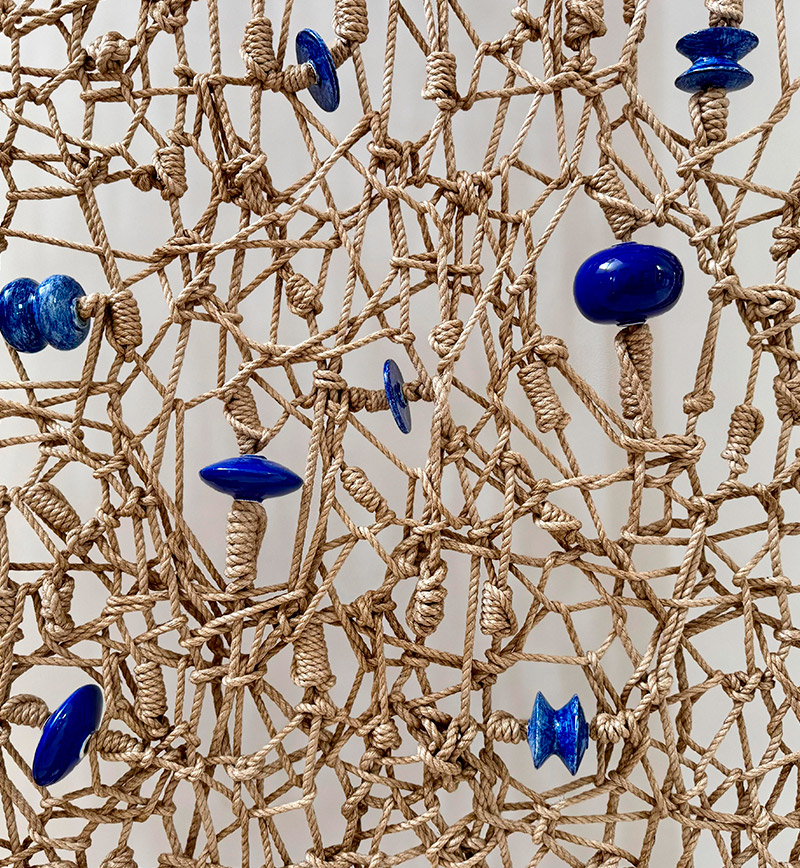
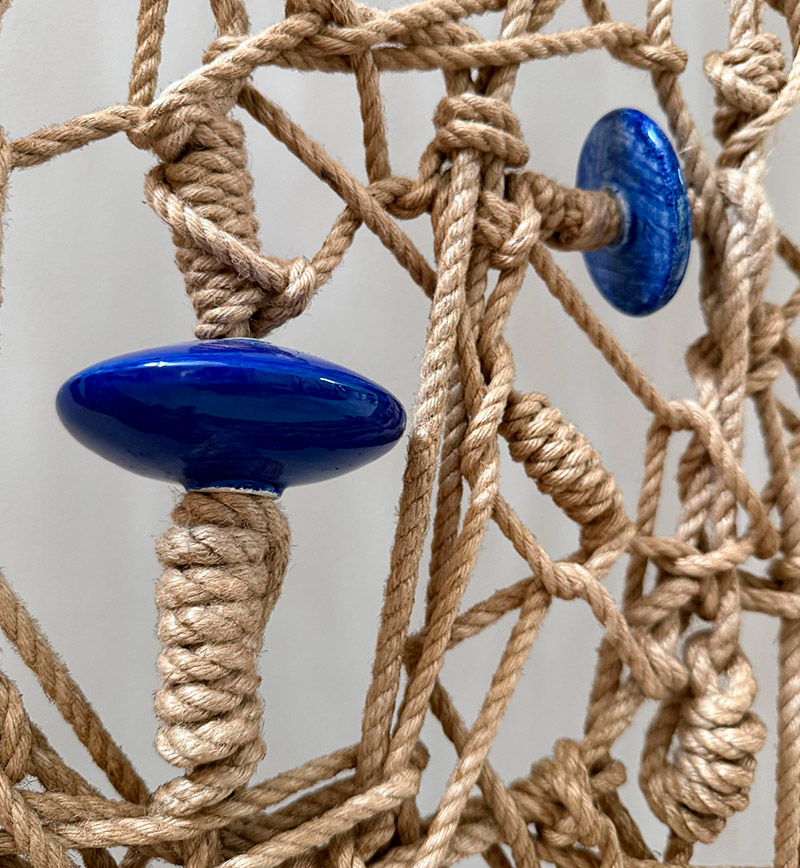
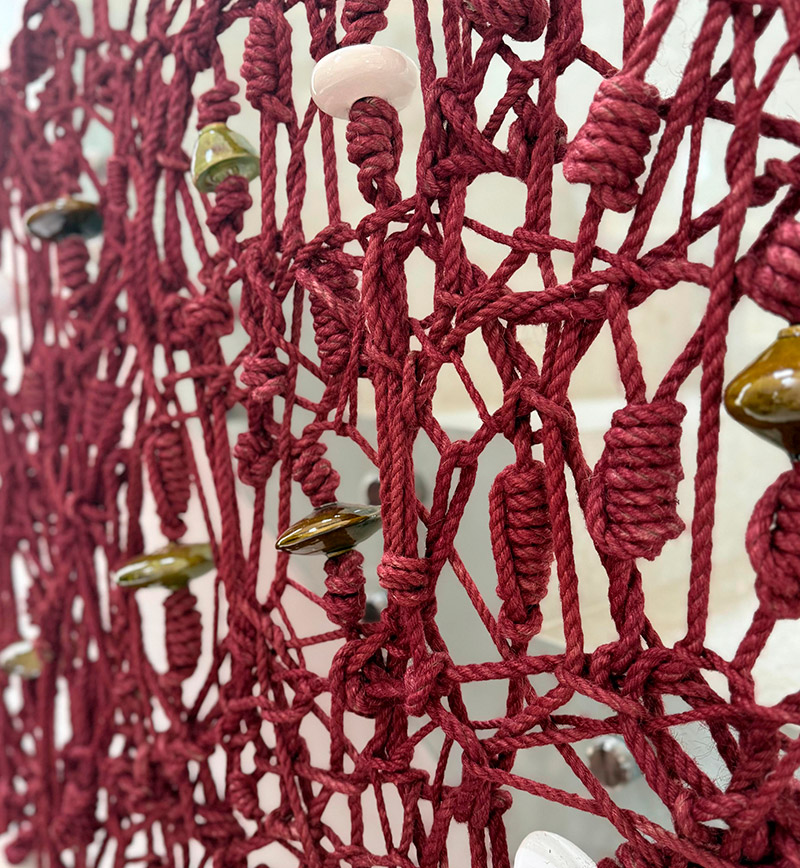
Weavings of natural fibers and quipu knots, conceived as autonomous art pieces or as dividing elements within interior spaces.
AMARU
Inspired by the sacred Andean serpent, a symbol of transformation, circulation, and balance, this collection proposes works that accompany contemplation, movement, transition, and the flow of space.
AMARU pieces are spatial works that function as contemporary thresholds: elements that mediate, connect, filter, and regulate the architectural experience without fragmenting it.
They are not isolated objects, but a system of pieces designed to coexist with people’s dwelling and movement.
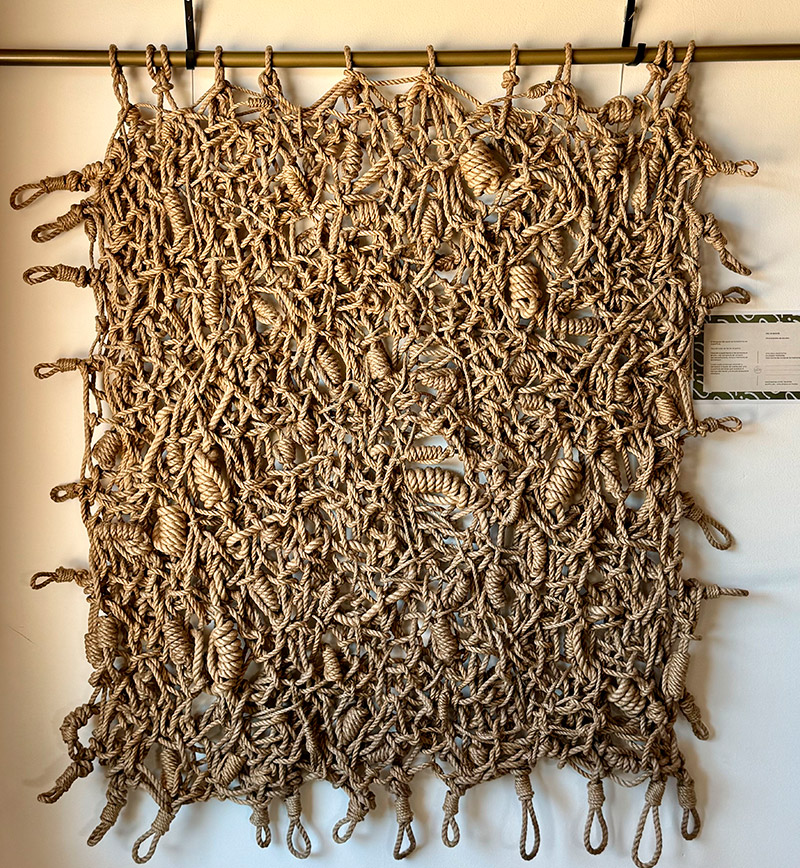
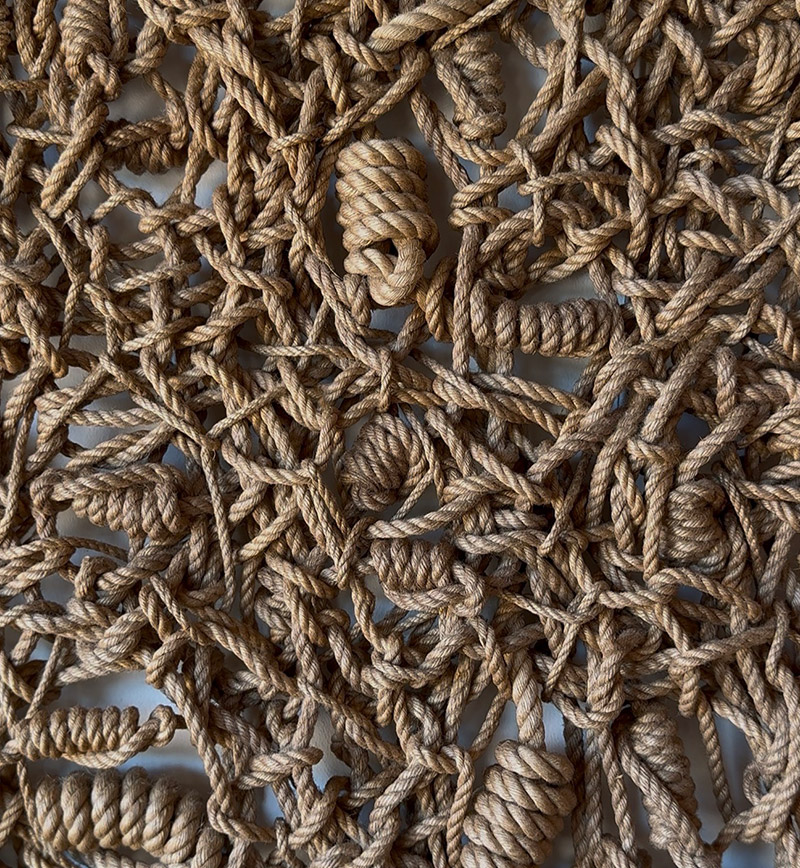
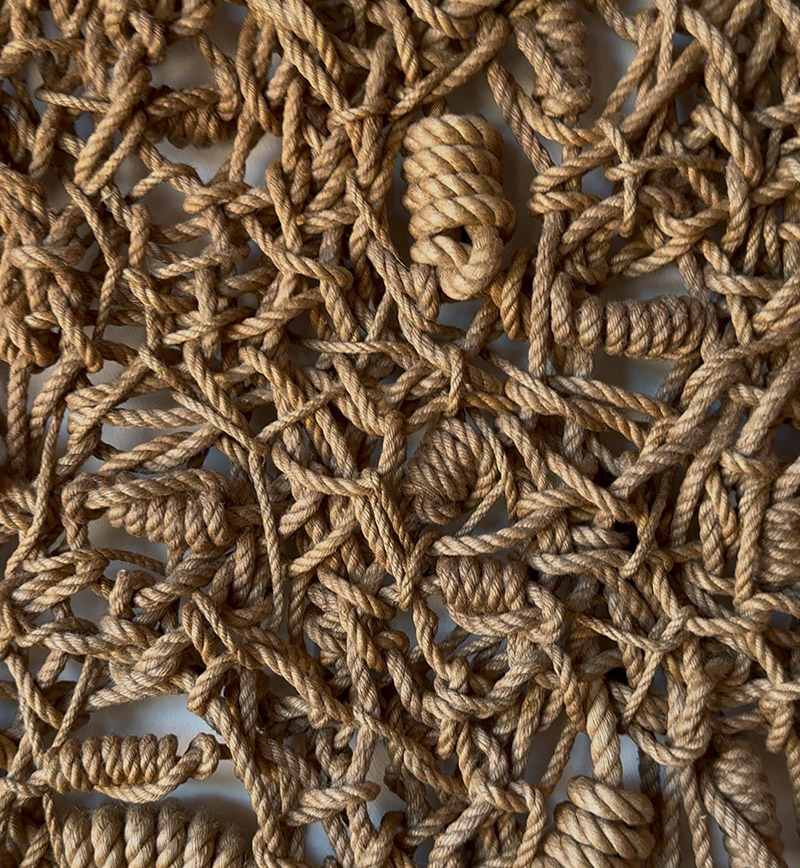
Skin of Knots
The language of the knot becomes surface.
Here, the knot is fixed to the plane.
It stops hanging or being pulled taut in the air, and instead becomes compacted into a tapestry where structure, rhythm, and memory intertwine.
Each knot builds volume and density. The weave becomes skin: a sensitive surface that holds the time of making and ties it to everyday space.
home
Intimately scaled pieces to inhabit spaces with intention. Objects carried through by the language of the quipu, as a vessel for art and Andean memory.
Cooming soon …
ART TO WEAR
The body as a vessel for the quipu language. Capsules conceived to be worn with intention, where each knot carries with it the voice of the land.
The body as a vessel for the quipu language. Capsules conceived to be worn with intention, where each knot carries with it the voice of the land.
jewelry
Wearable objects carried through by the language of the quipu, where fiber, knot, and material are conceived as contemporary expressions of Andean memory.
KUNTUR Capsule
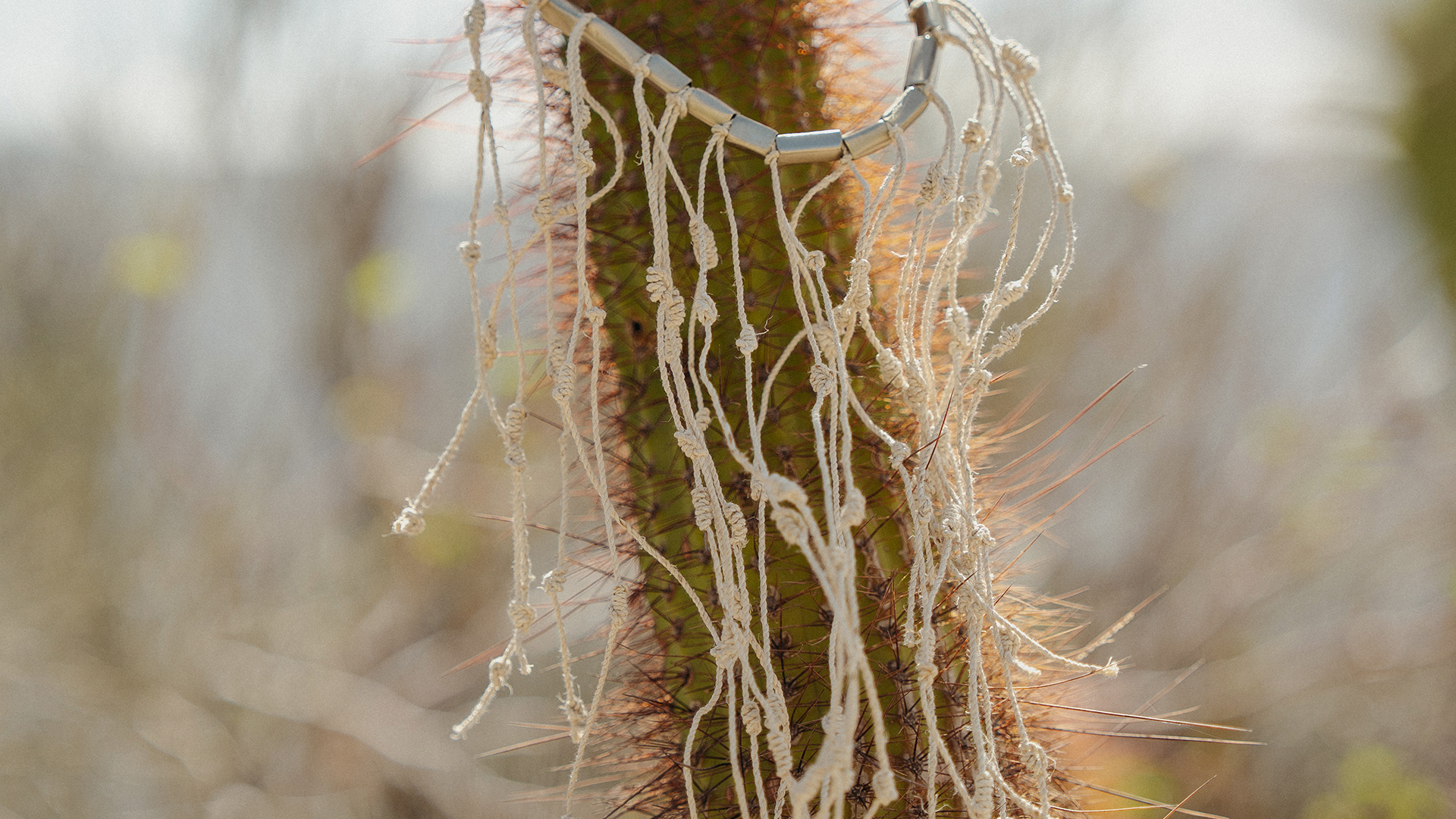
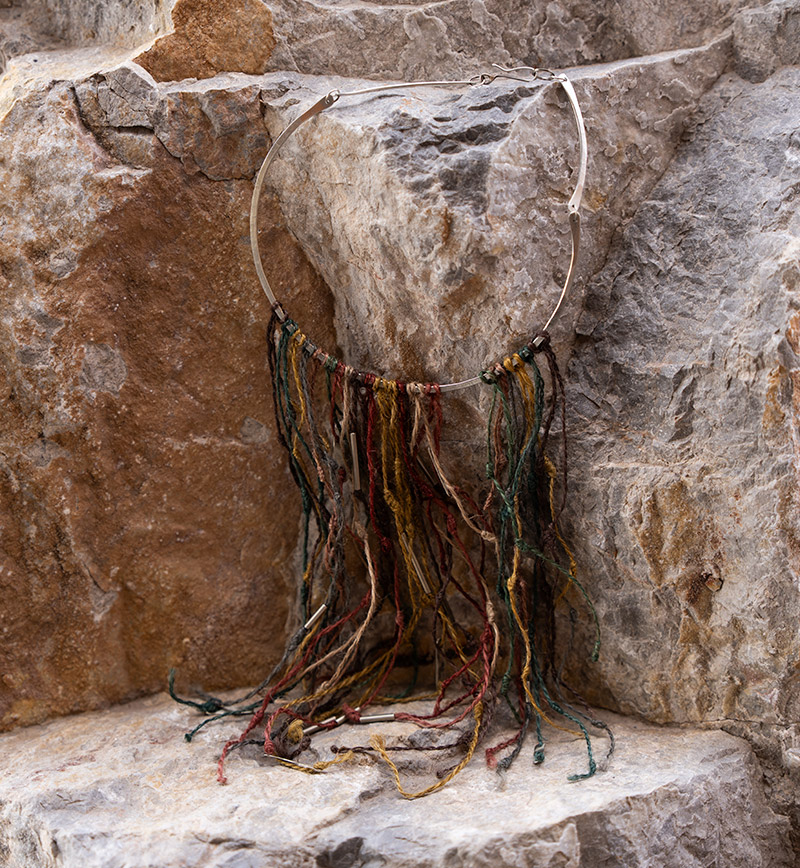
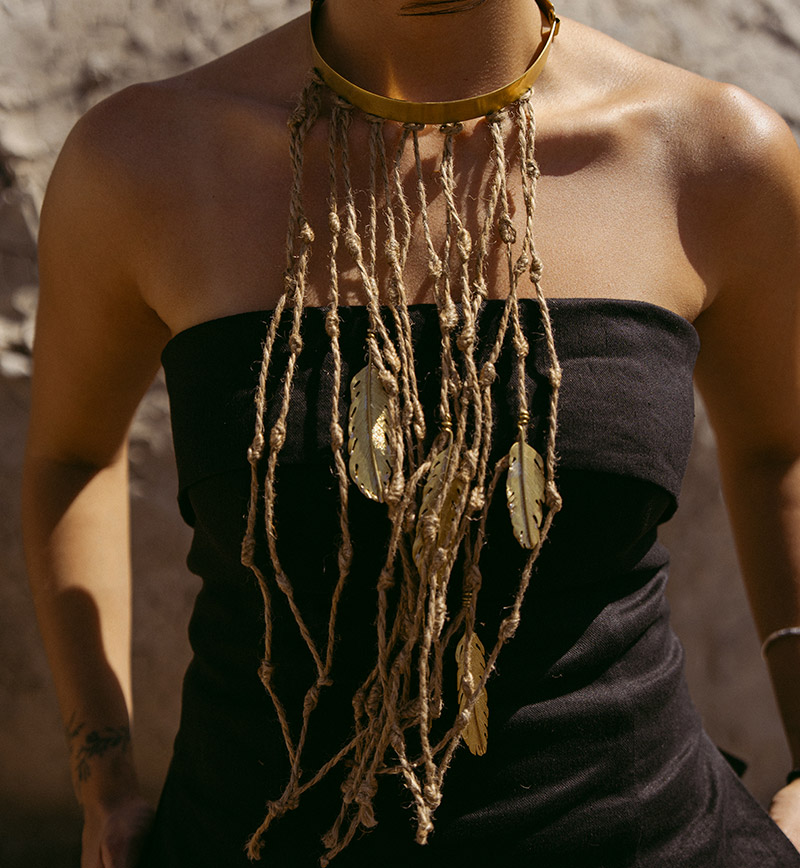
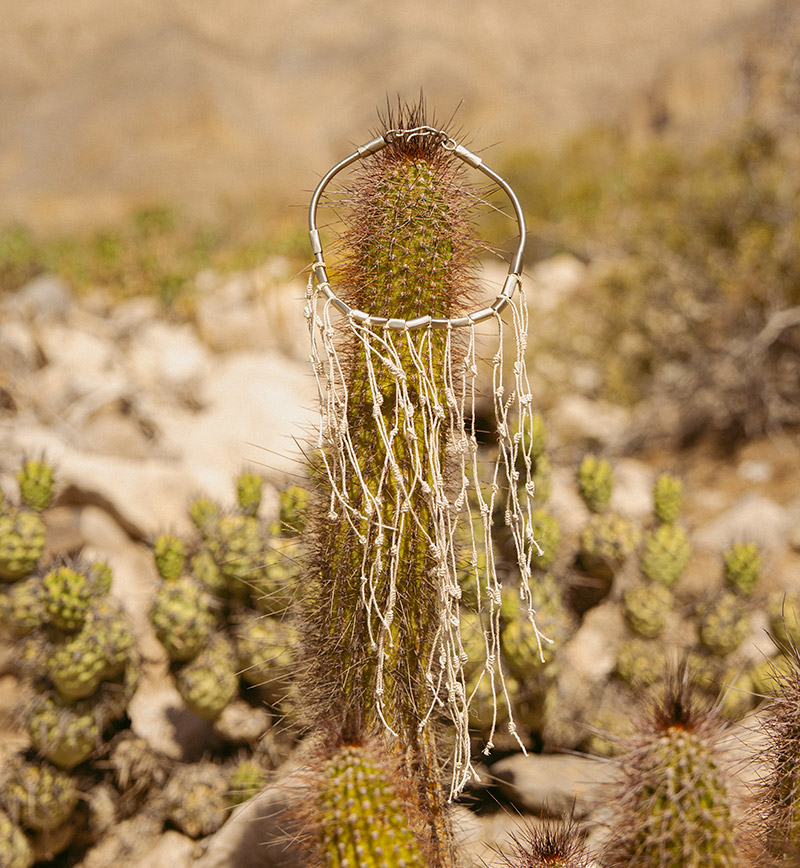
A limited collection of quipus crafted from natural fibers including chaguar, jute, silk, and cotton. Neck cords, pendants, and finishes in alpaca silver and bronze.
Inspired by ancestral heritage and a sense of belonging to the earth, these pieces seek to merge textile tradition with contemporary fashion, transforming fiber into timeless artistry.
KUNTUR refers to the Andean condor, a sacred bird that dwells in the heights and observes the landscape in its entirety.
Like that flight, the threads of these necklaces descend from the neck and expand outward, unfolding into knotted fibers that connect memory, matter, and landscape.
textile bodies
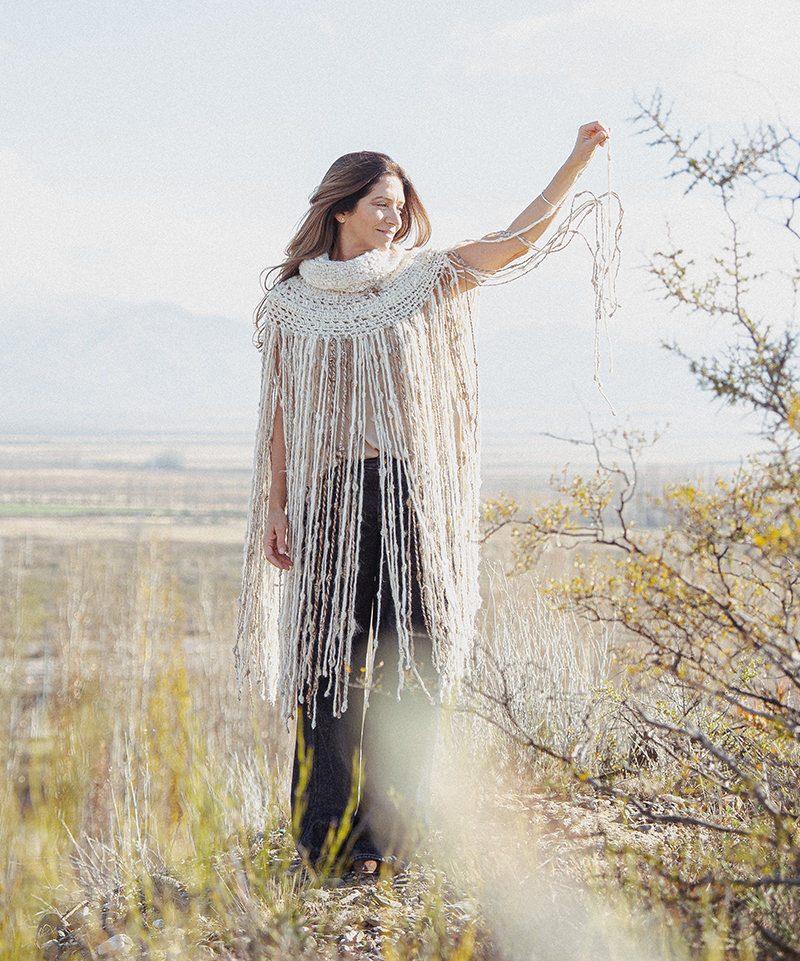
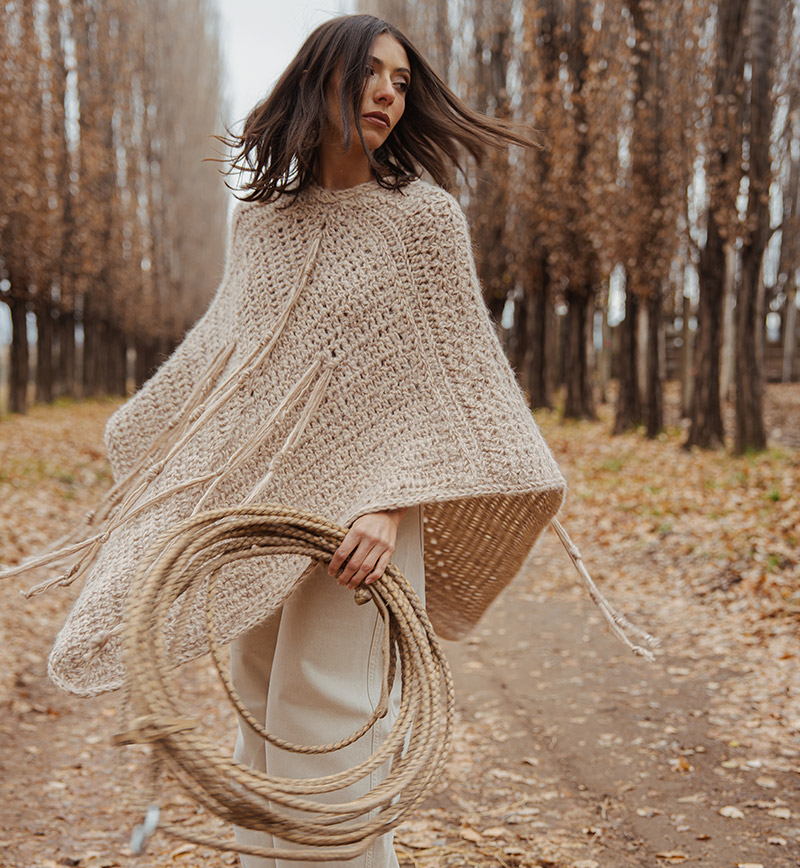
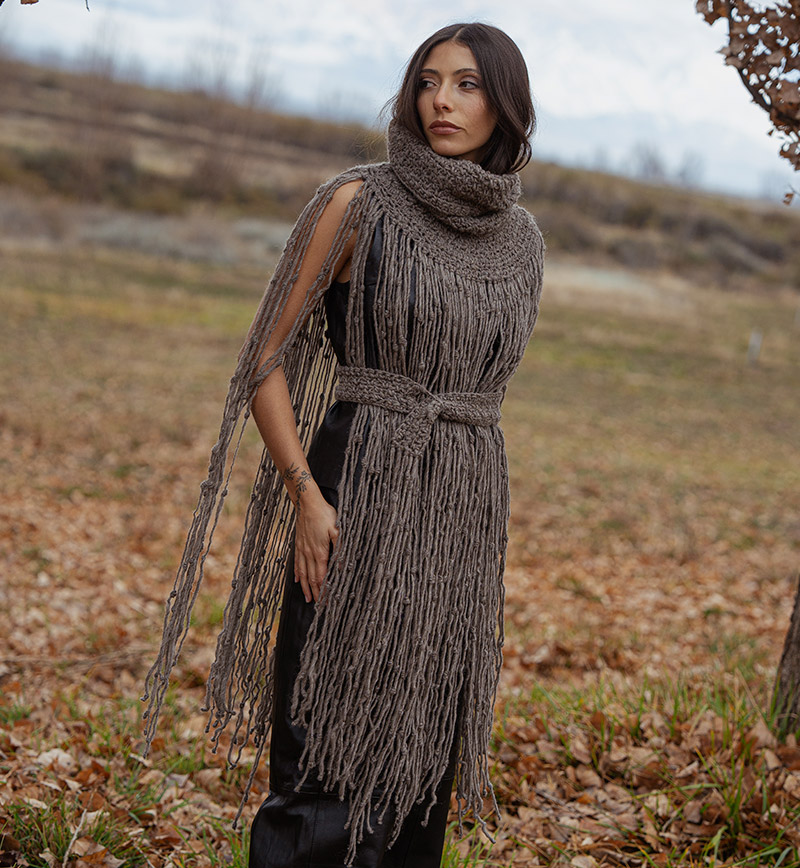
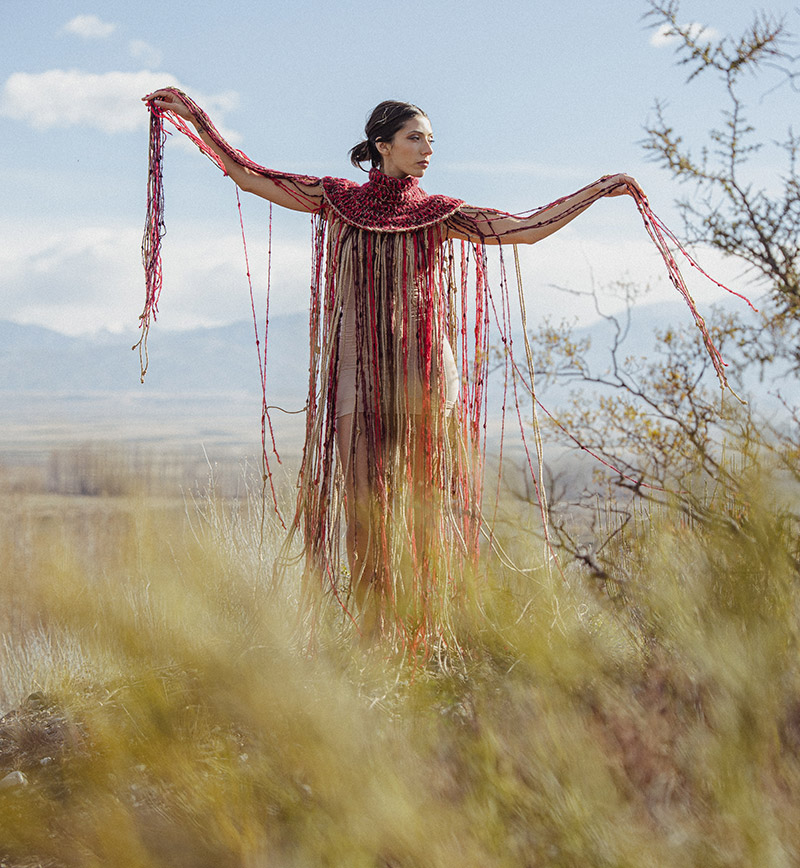
Textile pieces conceived to wrap the body with intention, carrying the language of the quipu into new ways of inhabiting.
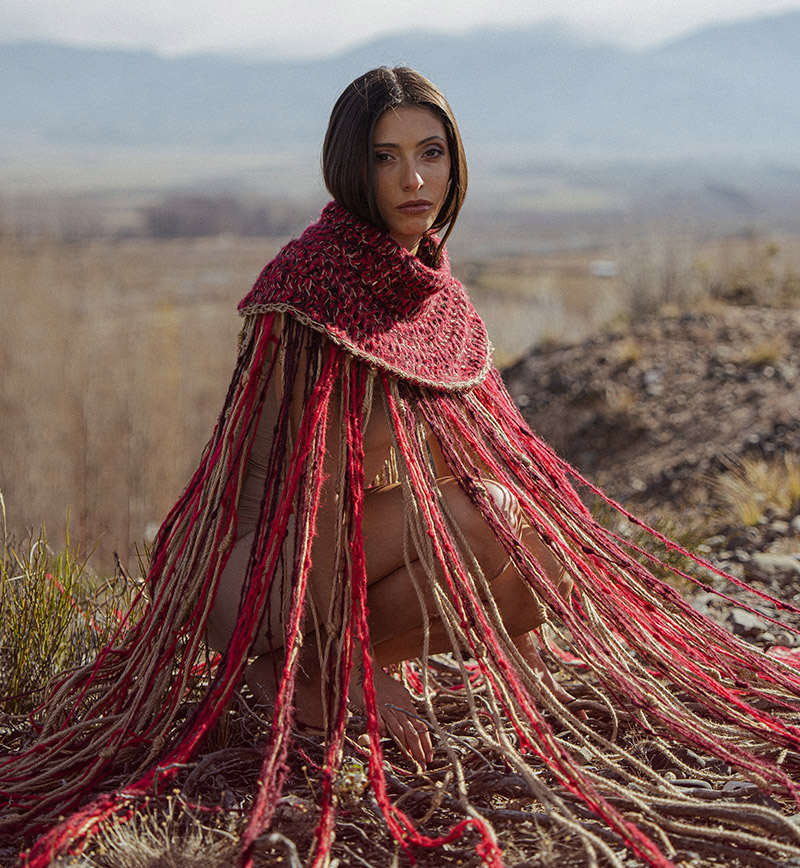
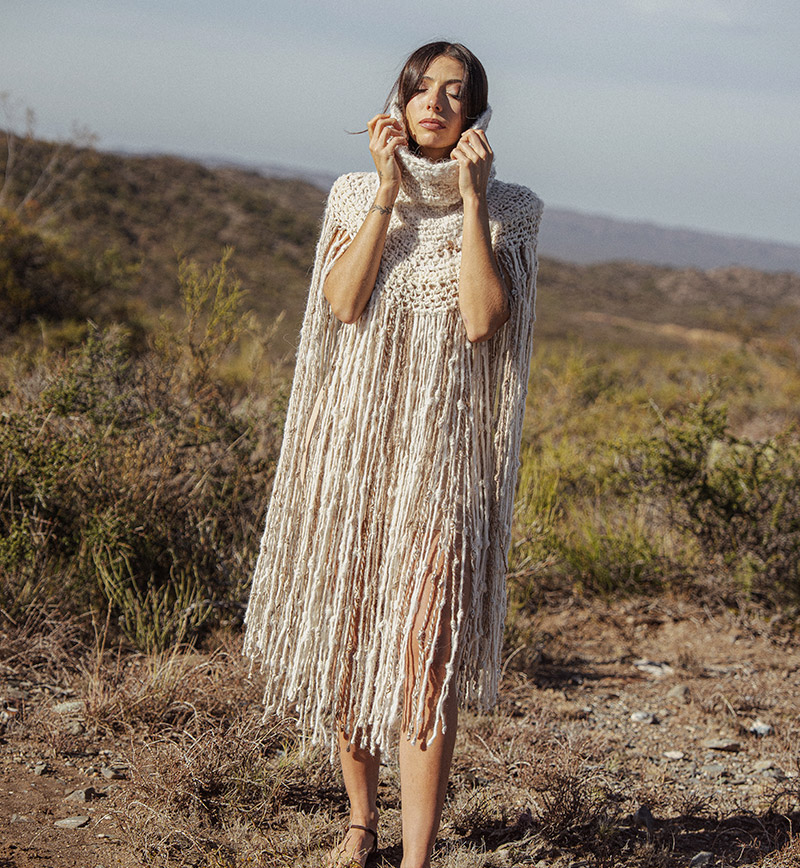
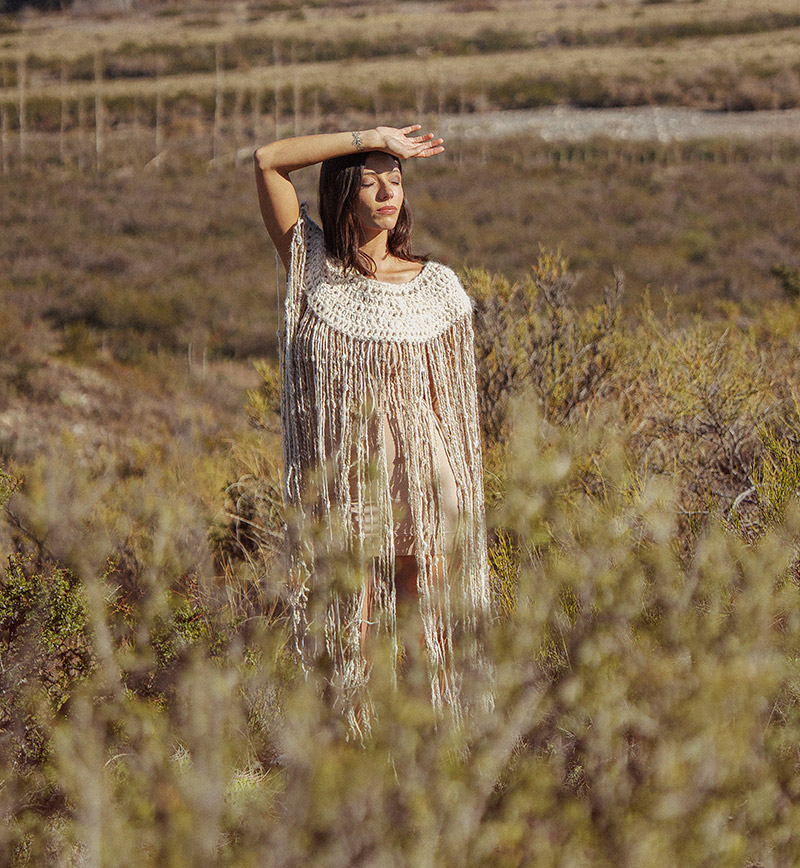
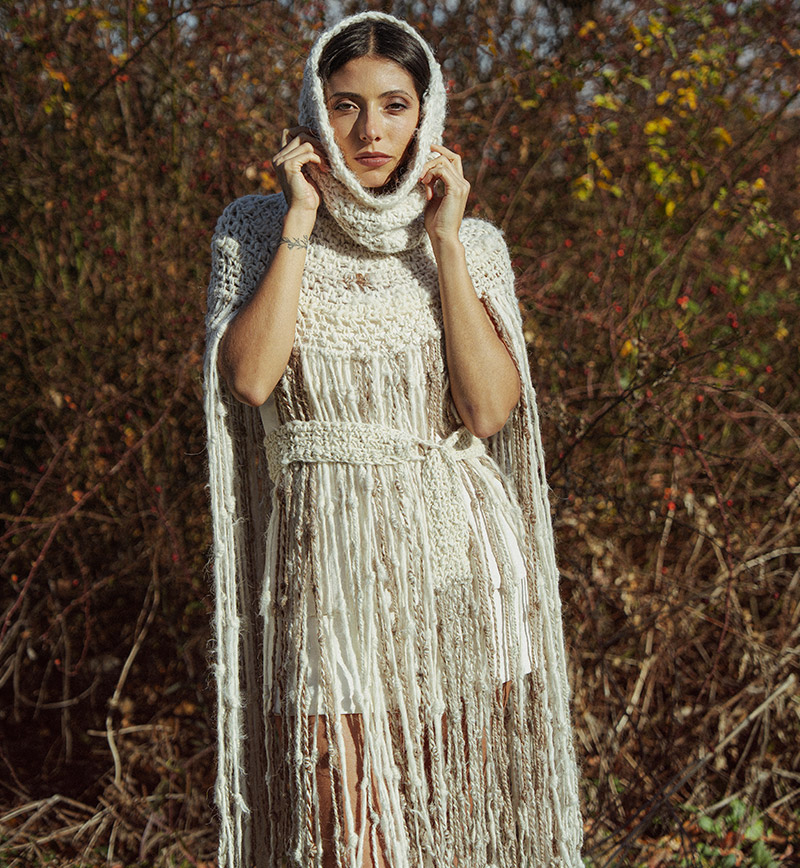

AWANA Capsule
A collection of twelve unique weavings, conceived to inhabit the body. Enveloping and sculptural, they explore the relationship between the quipu, movement, and presence.
AWANA is the act of weaving as language. Thread upon thread. Repetition. The knots record.
What is not written is woven.
Inspired by the memory systems of the Inca Empire, where quipus translated lived experience into knots, Awana proposes a contemporary reading of that gesture.